Compost is a bit of a mystery for many first-time enthusiasts. There are ideal ratios, temperatures, and materials required for a thriving compost heap. It might seem overwhelming to learn all the dos and don’ts. Can you compost moldy food, and are there foods you shouldn’t compost? We’ll answer your compost-related queries in this info-filled article.
The composting process isn’t as challenging as it appears. Think of finished compost as food waste and plant material that has undergone decomposition, thereby recycling into something helpful. Once the natural decomposition cycle is complete, home gardeners have a supply of soft, fluffy organic matter for garden beds and planters.
Composting helps restore soil structure, improve water retention, and ensure proper drainage. Where does moldy food fit into this incredible natural cycle? Mold spores and cells are part of the decomposition process. You’ll love this article if you’re curious about how they affect the compost heap.
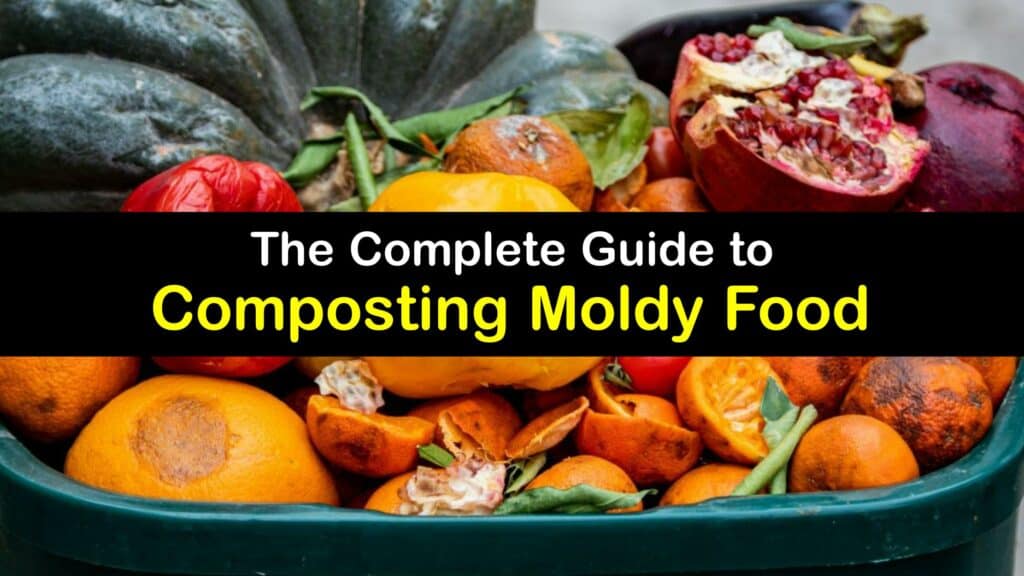
Top Tips for Composting Moldy Food
Can moldy food be composted, and more importantly, is moldy food good for compost? Discover how to compost moldy food safely and effectively in your home compost bin with our complete compost tips and tricks.
You’ll also need to read more about preventing fruit flies from lingering in the compost when adding moldy and rotten foods.
Can You Compost Moldy Food?
Can you compost moldy food? It may be surprising because we think of moldy food as a waste product, but yes, composting moldy food is fine once you know the rules. A moldy fruit or vegetable makes an ideal candidate for the compost pile. Starchy food like pasta and baked goods are great, too. What about bread?
Sometimes you have a surplus of moldy bread at your disposal, and it might feel wasteful to throw it away. The good news is that stale bread is actually better for composting than fresh slices.
Mouldy bread works in cooperation with the natural decomposition process. Tear it into small pieces, and add it to the heap. Feel free to compost bread scraps whenever you have some available.
Foods Not for Compost
The home compost heap differs slightly from systems designed to compost yard waste and kitchen scraps at an industrial level. Industrial compost operations generate enough heat to destroy all pathogens in products like meat and dairy.
Kitchen waste like meat, bones, moldy cheese slices, and other dairy products emit a smell that attracts neighborhood pests and wildlife. Greasy, fried foods, and anything particularly oily disrupts the compost cycle’s balance. Follow our tips for composting in an apartment to keep any bad smells away in a small space.
Use fruit with a citrus peel, like lemons, limes, and oranges, sparingly because citrus repels many beneficial microorganisms. Look for white mold or green mold before composting; green mold is fine, but white mold produces penicillin, which harms compost worms.
When in doubt, follow our guide for foods that cannot be added to the compost bin because of attracting wildlife and bugs.
How to Compost Moldy Food
Healthy, hearty compost is the cornerstone of a happy home garden. Compost is a fantastic soil amendment that encourages beneficial microbes to feed on it, which produces nutrients, stimulates soil health and attracts helpful bacterium and garden worms. Learn how to put moldy food in compost and level up your eco-conscious contributions.
The key to doing compost right is in the contents. Compost thrives with the proper ratios of greens, browns, moisture, air, and organic material. Brown material like wood, sawdust, and cardboard are great, as is green material like vegetable food scrap, grass clippings, and weeds. Paper towels are alright, but not plastic bags.
Prevent moldy compost by limiting the number of items you put in weekly. Composting moldy food should be done in small amounts and in small pieces. Layer your brown and green material, and water lightly. If you don’t like touching squishy veggies, find a compostable bag company you like.
Can you compost moldy food? Kitchen waste like fruits and vegetables is fantastic for the compost pile and is essential in the natural decomposition cycle. Recycle stale bread, moldy bread, starchy pasta, and even baked goods into your organic compost confidently.
There are things to avoid in your home compost bin, such as moldy cheese slices, meat, bones, and greasy fried scraps. Your home compost can’t fully break down harmful pathogens in these materials, and they may transfer to your soil or contaminate your entire compost heap, meaning you’ll have to start over.
We hope you liked discovering how to compost moldy food and that compost becomes your new best friend. Use compost for everything around the yard, from flower beds and vegetable gardens to patching up the lawn.
If you keep an eye on your compost pile, check the temperature periodically, and turn the organic material to encourage airflow, your homemade heap should produce fine-quality compost.
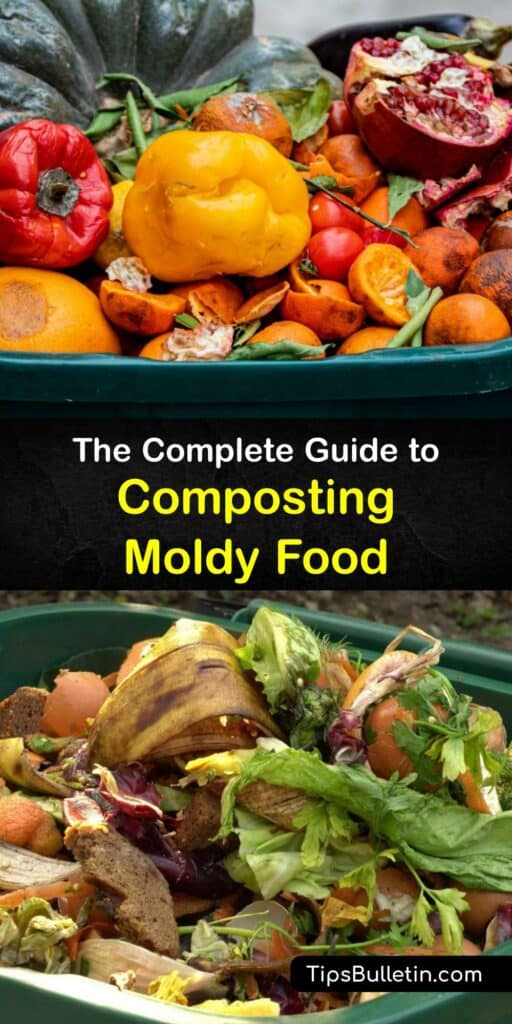
Can you compost moldy food? If you enjoyed learning some unique composting information, please share it with friends on Pinterest or Facebook who consider themselves compost enthusiasts.